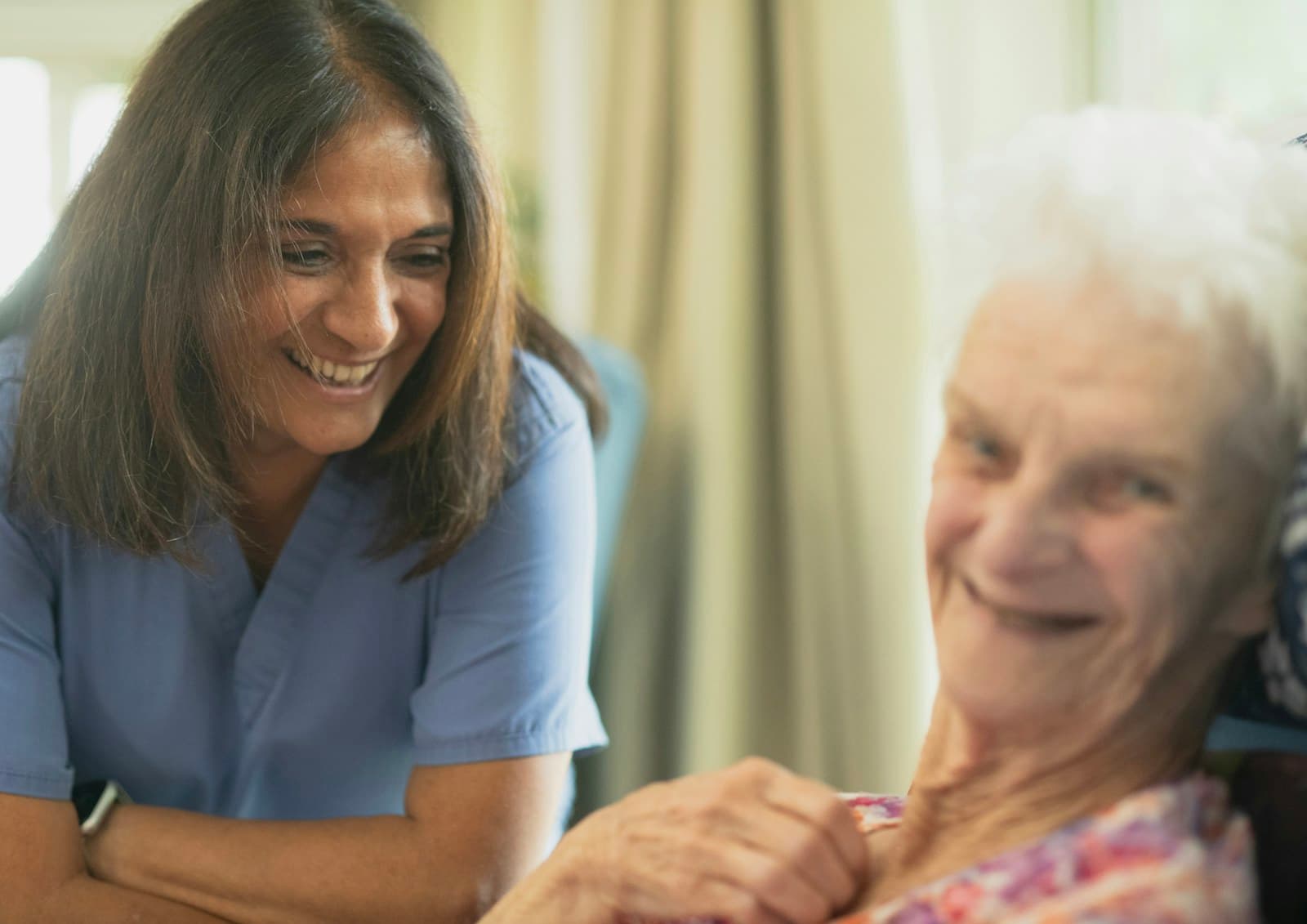
How would you maintain someone's dignity during personal care?
What they're testing: Privacy, consent and choice, and explaining what you're doing throughout.
Updated 1 November 2026 by Ben Gallagher. Sources below.
Care home interview questions check one thing above all: whether residents would be safe and respected with you on shift. Panels want to hear how you treat someone in their own home, how you support a person living with dementia, what you do when something worries you, and how you work with families and colleagues when it is busy. It helps to have read the home's inspection report first, and to know whether it has nurses on duty.
What they're testing: Privacy, consent and choice, and explaining what you're doing throughout.
What they're testing: Putting the person's choice before the routine, while telling the senior and keeping them safe.
What they're testing: Respecting the right to refuse, finding out why, recording it and telling a senior.
What they're testing: Respecting choice, finding the reason and dignity without nagging or overriding.
What they're testing: Calm reassurance, meeting the person where they are, and knowing their history and routines.
What they're testing: Patient, creative communication, involving family and speech therapy, and checking you have understood.
What they're testing: Knowing covert administration is a last resort that needs a capacity assessment and best-interests decision.
What they're testing: Not lifting them yourself, calling for help, checking for injury and following the falls procedure.
What they're testing: Spotting early skin damage, relieving pressure and reporting it the same shift.
What they're testing: Noticing weight loss risk, finding out why, recording intake and telling the senior.
What they're testing: Telling the person responsible for medicines straight away, not guessing, and making sure it is recorded.
What they're testing: Recognising a possible outbreak, infection control and telling the senior at once.
What they're testing: Recognising the signs of neglect or abuse and reporting them through the right route.
What they're testing: Stepping in, protecting the resident, reporting, and not leaving it because it is a colleague.
What they're testing: Recognising financial abuse, not confronting alone and reporting facts to the senior and safeguarding lead.
What they're testing: Knowing the gifts policy, being kind about declining, and recording and telling a senior.
What they're testing: Respecting the resident's independence, listening to the family and involving the senior.
What they're testing: Comfort and dignity at the end of life, practical kindness to the family, and involving the right nurse.
What they're testing: Prioritising by risk, calling for help, and keeping both residents safe and informed.
What they're testing: Putting residents first, asking before assuming and raising it without blame.
What they're testing: Honest self-care, using the team, and kindness to residents who are grieving too.
What they're testing: Whether you have looked into this home and want this work, rather than any job going.
Name something real about this home, such as a line from its inspection report or what you noticed on a visit, then link it to why you want to care for people. Keep it short and honest, because a panel can tell when an answer would fit any home in the country.
I read your latest inspection report, and the part about residents choosing how they spend their day stood out. When my grandmother moved into a home, what mattered most to her was still being asked what she wanted. I want to work somewhere that takes that seriously, and I would like to learn how you manage it on a busy morning.
Your answer will be different. Say yours out loud and see what it's missing.
What they're testing: Whether you can show kindness and reliability from the life you have lived so far, and know you have things to learn.
Do not apologise for being new. Give one real example of looking after someone or staying patient with the public, then one that shows you are reliable. Say that you expect training and supervision, and that you will ask when you are not sure rather than guess.
I have not been paid to care for anyone, but I helped look after my dad after his stroke, so I know what it is to help someone wash without making them feel small. In my shop job I was not late once in three years, and I was the one customers came to when they were upset. I know I will need training in moving people and in medicines, and I will ask rather than guess.
Your answer will be different. Say yours out loud and see what it's missing.
What they're testing: Whether you respond to the feeling behind the words rather than arguing, and whether you look for a pattern.
Do not argue, correct them or make a promise you cannot keep. Stay calm, respond to the feeling, ask about home, and offer something familiar such as a drink or a walk. Afterwards record what happened and tell your senior, so that the team can see whether it follows a pattern.
A lady I cared for would ask for her coat every evening because she had to get home. Telling her she lived here now only upset her more, so I sat with her and asked about her house and her children, then asked if she would help me with the tea trolley. She settled. I wrote down the time and what helped. The team saw it happened around five, so we started offering her something to do before then.
Your answer will be different. Say yours out loud and see what it's missing.
What they're testing: Whether you treat a sudden change as a possible sign of illness, keep the person safe and pass it on.
Treat a sudden change as something that may have a cause, not as bad behaviour. Keep the resident safe and stay with them, check for simple things such as pain, thirst or needing the toilet, and tell the senior or nurse on duty straight away. Then record what you saw, with the times.
One night a man who normally slept through was up three times and did not know where he was. I walked him back, stayed with him and asked if he was in pain or needed the toilet. He felt hot, so I told the nurse on duty straight away rather than waiting for the morning. I wrote down the times and what I had seen, and passed it on at handover.
Your answer will be different. Say yours out loud and see what it's missing.
What they're testing: Whether you know what good care is measured against, in words you would use on a shift.
Name the five questions the Care Quality Commission asks: is the service safe, effective, caring, responsive and well-led. Then give one small example of how your own work touches them. You do not need to quote the regulations, because panels want to hear that you see why it matters on a shift.
CQC asks whether a home is safe, effective, caring, responsive and well-led, and gives it a rating from Outstanding to Inadequate. On a shift, caring is knocking before I go into someone's room and asking what they want to wear. Safe is telling the senior when a resident's skin looks sore and writing it down, rather than hoping the next shift notices.
Your answer will be different. Say yours out loud and see what it's missing.
The NHS describes two main types of care home. Residential homes provide accommodation and personal care, such as help with washing, dressing, taking medicines and going to the toilet. Nursing homes, sometimes called care homes with nursing, also provide personal care, but there will always be one or more qualified nurses on duty. Some homes offer both.
This changes your answers, so check which kind you are applying to. When a question asks what you would do if a resident fell or seemed unwell, say who you would tell in that home: the nurse on duty if it has one, otherwise the senior carer. In an emergency, call 999 straight away.
The Care Quality Commission gives services in England one of four ratings: Outstanding, Good, Requires improvement or Inadequate. Providers must display their rating at the home and on their website, and you can look a home up with CQC's find a care home service.
CQC asks five questions of every care service: is it safe, effective, caring, responsive and well-led. Interview questions cover the same ground. Find one thing the report praises, so that you can mention it when asked why you want to work there, and one thing the home is working on, so that you can ask about it at the end. If the rating is low, ask what has changed since, rather than criticising.
CQC Regulation 9 says care must be appropriate, meet people's needs and reflect their preferences. Regulation 10 covers dignity and respect, including privacy and supporting independence. Regulation 14 says people must have enough to eat and drink, and that their preferences and their religious and cultural backgrounds must be taken into account. That is why panels ask about a resident who wants to stay in bed or who has stopped eating.
The Mental Capacity Act 2005 says a person must be assumed to have capacity unless it is established that they lack it, and that they are not to be treated as unable to decide merely because they make an unwise decision. So a strong answer finds out why, offers choices, records what happened and tells the senior. You do not force care, and you do not decide capacity on your own.
More on this: Safeguarding interview questions.
Skills for Care says the Care Certificate standards can be used if you are new to care, and to inform what is covered during induction. The Code of Conduct for healthcare support workers and adult social care workers asks you to be accountable, to promote people's privacy and dignity, and to work with colleagues. You can show all of that from outside care.
Use examples from looking after a relative, volunteering or dealing with the public, and say plainly what you have not done yet. A panel would rather hear that you would ask for help with moving someone than hear you guess.
Pick the ones you really want answered. They also show that you are thinking about the residents and about doing the job well.
Expect questions on why you want this work, dignity and choice, dementia, safeguarding, what you would do if someone fell or refused care, and working with families and colleagues. Many start with what would you do, so have a real example or a clear order of steps ready.
Check that the advert does not ask for experience, then show what you can do from elsewhere. Skills for Care says the Care Certificate standards can be used if you are new to care and to shape induction, so you can say you expect training and are ready for it.
Yes, briefly. Providers must display their rating at the home and on their website, and reading the report shows you have prepared. Mention one thing it praises, and ask what has changed since if it found problems. Do not use it to criticise the home.
The values questions are the same. The difference is who you would turn to, because the NHS says nursing homes always have one or more qualified nurses on duty. In a residential home, say you would tell the senior carer, and call 999 in an emergency.
Say you would not force it. Find out why, offer a choice or come back later, record what happened and tell your senior. The Mental Capacity Act says a person must be assumed to have capacity, and an unwise decision does not by itself mean they lack it.
Related topics: NHS values, The 6 Cs, Clinical governance, Safeguarding, Civil Service Success Profiles, Nurse interview questions, Behavioral interview questions, Common interview questions, Senior support worker interview questions.
See also: Care and support.
Related: Healthcare assistant, Care assistant, Senior care assistant, Support worker.